
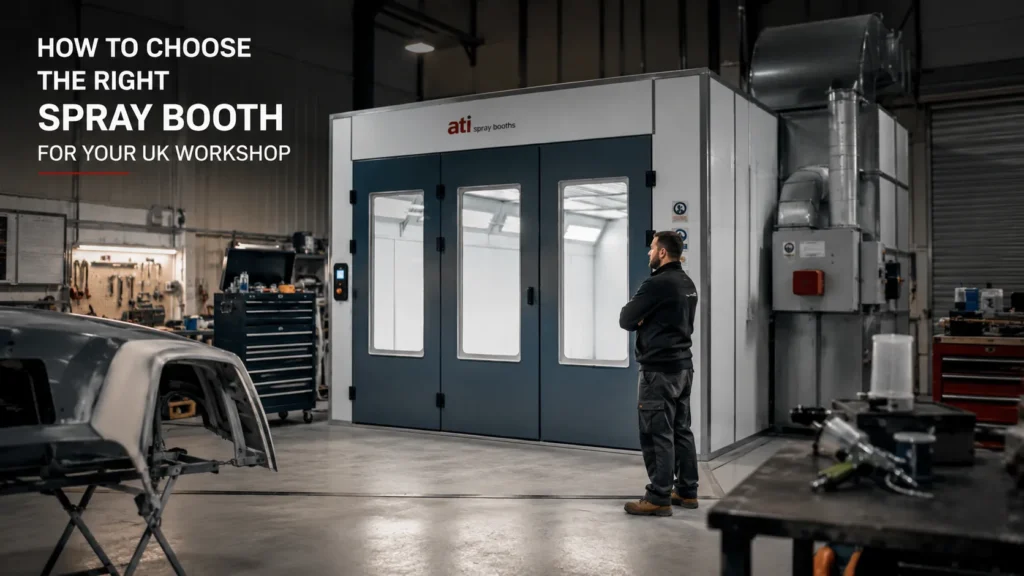
Choosing the right Spray Booth can improve paint quality, reduce downtime, and support workplace safety. UK workshops now face stricter environmental rules and higher customer expectations. A poor booth setup often causes overspray, uneven finishes, and rising energy costs. Modern systems solve these problems with better airflow, filtration, and automation.
The UK refinishing market continues growing across automotive, industrial, and manufacturing sectors. Workshops now need equipment that supports faster turnaround times without sacrificing finish quality. The right booth also protects workers from harmful fumes and airborne particles. Many insurers and safety inspectors now expect proper extraction and compliant ventilation systems.
Every workshop has different needs. Small repair garages require compact solutions. High-volume facilities need large, energy-efficient installations. Your budget, available space, and workload should shape the decision. Understanding booth types, airflow systems, and compliance standards helps avoid costly mistakes. A carefully selected Spray Booth supports productivity, lowers maintenance costs, and improves long-term operational efficiency.
Why Your Workshop Needs the Correct Spray Booth
A properly designed Spray Booth creates a controlled painting environment. Temperature, airflow, and filtration work together for consistent finishes. Dust contamination drops significantly inside enclosed spray areas. This improves customer satisfaction and reduces costly rework.
UK workshops also face strict health and safety obligations. The Health and Safety Executive requires businesses to manage hazardous paint fumes carefully. Poor ventilation increases worker exposure to volatile organic compounds. A compliant booth reduces these risks and supports safer working conditions.
Key Benefits of the Right Spray Booth
Improves paint finish consistency.
Reduces overspray contamination.
Supports faster drying times.
Helps meet UK environmental regulations.
Protects workers from harmful fumes.
Lowers long-term maintenance costs.
Energy efficiency also matters more today. Modern booths use variable-speed fans and advanced filtration systems. These features reduce electricity use while maintaining airflow performance. Lower operating costs can improve workshop profitability over time.
Understanding Different Spray Booth Types
Not every Spray Booth fits every business model. Workshop size and workload determine the best option. Understanding the main booth categories helps narrow your decision.
Crossdraft Spray Booths
Crossdraft booths move air horizontally from one end to another. These systems cost less and suit smaller workshops. Installation remains relatively simple compared to advanced booth designs.
However, airflow passes directly over painted surfaces. This can increase contamination risks during precision work. Crossdraft booths work best for lower-volume applications and SMART repairs.
Downdraft Spray Booths
Downdraft booths pull air vertically from ceiling to floor. This creates cleaner airflow around painted surfaces. Automotive body shops often prefer this setup for premium finishes.
These booths usually cost more due to complex floor pit systems. Yet they deliver excellent overspray control and faster curing performance. High-volume workshops often recover costs through productivity gains.
Semi-Downdraft Booths
Semi-downdraft systems combine both airflow methods. Air enters from the ceiling and exits near floor level at the rear. This setup balances performance and affordability.
Many UK workshops choose semi-downdraft booths because installation costs stay manageable. They also provide better finish quality than standard crossdraft systems.
| Spray Booth Type | Best For | Main Advantage | Limitation |
|---|---|---|---|
| Crossdraft | Small workshops | Lower upfront cost | Higher contamination risk |
| Downdraft | High-volume body shops | Premium finish quality | Higher installation cost |
| Semi-Downdraft | Medium workshops | Balanced performance | Moderate airflow efficiency |
Factors to Consider Before Buying
Choosing a Spray Booth requires more than comparing prices. Long-term operating efficiency matters equally. Workshops should assess workflow, compliance, and maintenance needs carefully.
Workshop Size and Vehicle Capacity
Your available space affects booth dimensions and layout. Compact garages may struggle with large downdraft systems. Industrial workshops often require oversized booths for vans or machinery.
Think about future business growth as well. Expanding operations later may require costly upgrades. Selecting a slightly larger booth now can reduce future disruption.
Heating and Energy Efficiency
Heating systems directly impact operating expenses. Gas-fired burners remain common across UK spray facilities. Modern infrared curing systems also improve drying speed.
Energy-efficient booths use insulated panels and heat recovery systems. These features reduce fuel consumption during winter months. Rising UK energy prices make efficiency increasingly important.
Filtration and Air Quality
High-quality filters capture paint particles before air exits the booth. Proper filtration supports environmental compliance and cleaner finishes. Cheap filters often clog quickly and reduce airflow performance.
Most UK workshops use multi-stage filtration systems. These include intake filters, floor filters, and exhaust filters. Regular maintenance ensures stable airflow and safer working conditions.
UK Compliance and Safety Standards
Every Spray Booth in the UK must meet safety and environmental standards. Ignoring compliance can result in fines or operational shutdowns. Workshop owners should verify certifications before installation.
The Dangerous Substances and Explosive Atmospheres Regulations apply to paint spraying operations. Booths handling solvent-based paints require explosion-proof electrical systems. Proper airflow also reduces flammable vapour accumulation.
Important Compliance Areas
Ventilation and airflow performance.
Fire-resistant construction materials.
ATEX-certified electrical components.
VOC emission management.
Regular inspection schedules.
Insurance providers may also inspect spray facilities before approving coverage. A compliant installation reduces liability risks and supports long-term operational stability.
Maintenance and Long-Term Operating Costs
A reliable Spray Booth needs regular servicing to maintain performance. Neglected systems consume more energy and create inconsistent paint finishes. Preventive maintenance reduces expensive downtime.
Filter replacement remains one of the most important tasks. Dirty filters restrict airflow and increase fan strain. Most workshops replace intake and exhaust filters every few months.
Fan motors, burners, and ducting also require routine inspection. Technicians should check airflow calibration regularly. Even minor airflow imbalance can affect paint application quality.
Tips to Reduce Operating Costs
Replace filters on schedule.
Clean ducting regularly.
Use energy-efficient curing systems.
Train staff on booth operation.
Monitor airflow performance monthly.
Modern automated controls also improve efficiency. Digital systems adjust temperature and airflow based on workload. This reduces unnecessary energy consumption during quieter periods. You might also like to read our detailed guide on Custom Spray Booth Design.
Conclusion
Selecting the right Spray Booth requires careful planning and technical understanding. Workshop size, workload, and finish quality expectations should guide the decision. UK businesses must also consider energy efficiency, worker safety, and environmental compliance before purchasing equipment.
Crossdraft booths suit smaller operations with limited budgets. Downdraft systems deliver premium finishes for high-volume body shops. Semi-downdraft models provide a practical middle ground for growing workshops. Each option offers different benefits depending on workflow demands.
Long-term operating costs matter just as much as upfront pricing. Efficient heating systems, quality filtration, and preventive maintenance improve overall value. A properly selected booth supports cleaner finishes, faster turnaround times, and safer working conditions. Investing in the correct solution today helps UK workshops remain competitive and compliant for years ahead.