
Spray booth maintenance service ensures that finishing environments operate at peak efficiency, deliver consistent coating quality, and remain compliant with safety regulations. Over time, dust, overspray, and system wear can affect performance. Without regular maintenance, even a well-designed spray booth can lose efficiency and compromise results. A structured maintenance plan keeps the system running smoothly while preventing costly downtime.
Maintenance is not just about fixing issues. It focuses on proactive care that extends equipment life and maintains optimal working conditions. Regular servicing ensures airflow remains balanced, filters perform effectively, and all components function as intended. This leads to improved productivity, reduced operational costs, and better finishing outcomes.
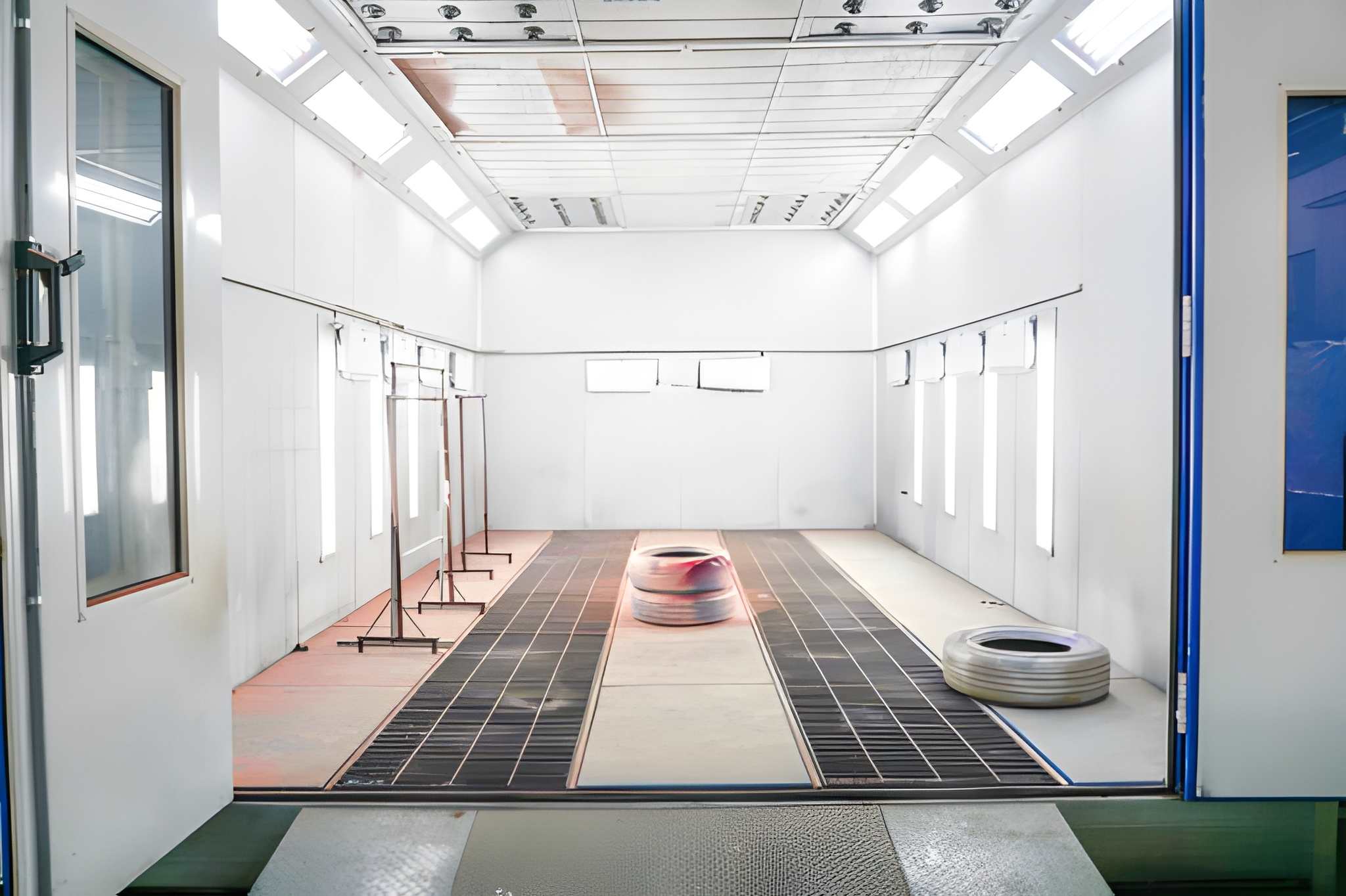
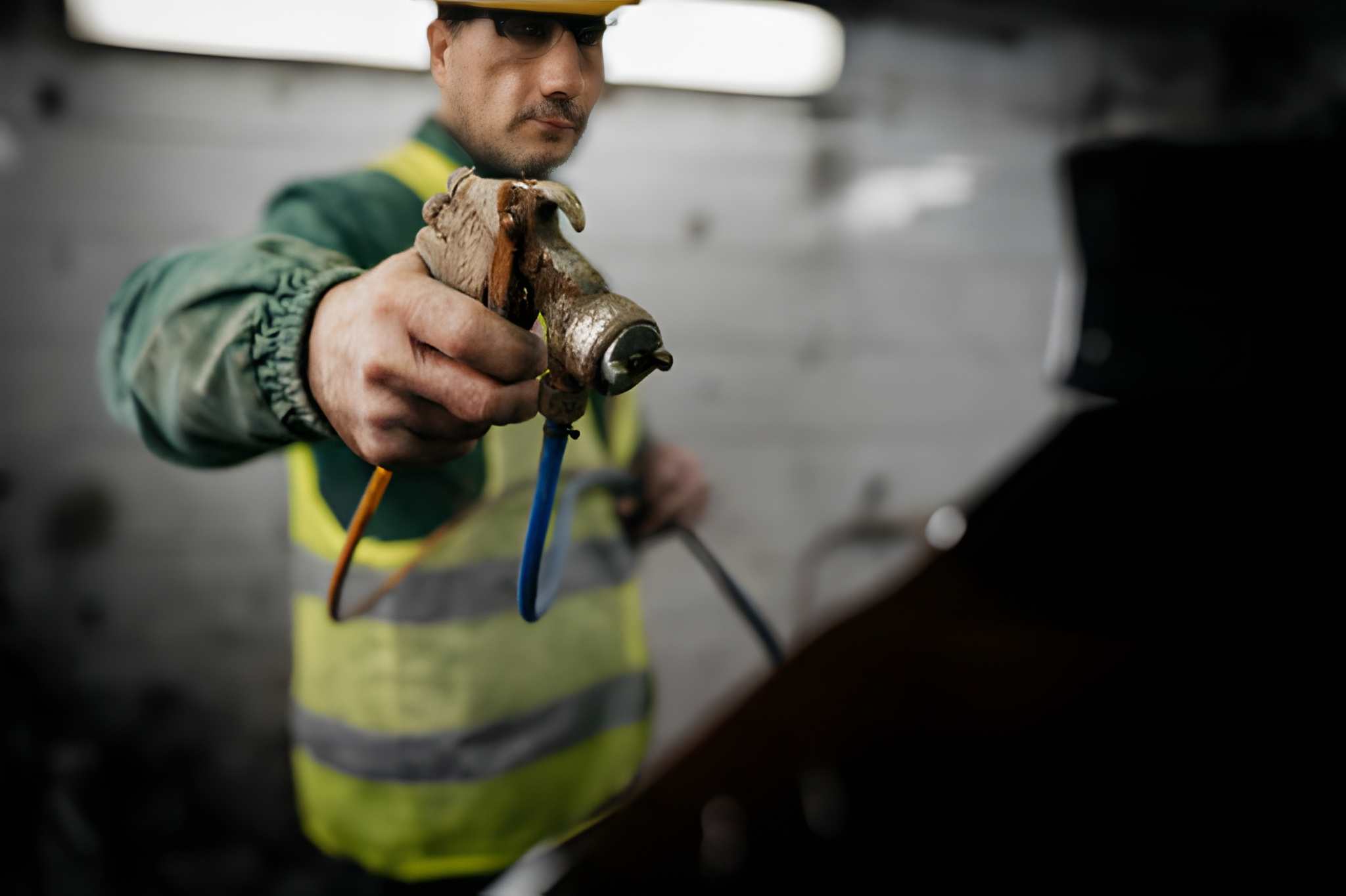
Routine maintenance plays a critical role in ensuring the reliability of a spray booth. When systems are neglected, airflow becomes inconsistent, filters clog, and contaminants build up. These issues directly impact coating quality and increase the risk of defects.
Consistent maintenance also supports workplace safety. Spray booths handle hazardous fumes and flammable materials. Proper upkeep ensures ventilation systems work efficiently, reducing exposure risks for workers. It also helps businesses meet regulatory requirements and avoid penalties.
Airflow is essential for removing overspray and maintaining a clean environment. Maintenance includes checking fans, ducts, and airflow balance. Technicians measure air velocity and ensure that the system operates within recommended standards.
Any imbalance in airflow can lead to uneven coatings and contamination. Regular inspection ensures that air moves consistently throughout the booth, supporting high-quality finishes.
Filters capture overspray particles and maintain air quality. Over time, these filters become clogged and less effective. Maintenance involves replacing or cleaning intake and exhaust filters at regular intervals.
Proper filter maintenance ensures efficient airflow and prevents contaminants from affecting the finish. It also reduces strain on the ventilation system, extending its lifespan.
Lighting is crucial for visibility during the coating process. Maintenance includes cleaning light panels, replacing bulbs, and ensuring even illumination. Dust and overspray can reduce brightness and create shadows.
Well-maintained lighting helps operators detect imperfections early. This improves accuracy and reduces the need for rework.
The interior of the spray booth accumulates paint residue and dust over time. Regular cleaning prevents buildup that can contaminate future coatings. Technicians inspect walls, floors, and ceilings for damage or wear.
Maintaining a clean structure ensures a controlled environment and supports consistent results. It also improves the overall appearance and professionalism of the workspace.
Preventive maintenance focuses on scheduled inspections and servicing. This approach identifies potential issues before they become major problems. It includes routine checks, cleaning, and component replacements.
By addressing small issues early, preventive maintenance reduces downtime and repair costs. It ensures the spray booth operates efficiently at all times.
Corrective maintenance involves repairing or replacing faulty components. This type of service is required when issues arise that affect performance. Technicians diagnose the problem and restore the system to proper working condition.
While corrective maintenance is necessary, relying solely on it can lead to higher costs. Combining it with preventive measures provides better results.
Emergency maintenance addresses urgent issues that disrupt operations. This may include system failures, airflow problems, or electrical faults. Quick response is essential to minimize downtime and maintain productivity.
Having access to emergency support ensures that problems are resolved بسرعة and operations can resume without significant delays.
Regular maintenance ensures that airflow, filtration, and lighting systems function correctly. This leads to uniform coatings and fewer defects. Consistent quality enhances customer satisfaction and reduces rework.
Maintained systems effectively control hazardous fumes and particles. This protects workers and creates a safer working environment. Compliance with safety standards also reduces legal risks.
Routine care reduces wear and tear on components. This extends the lifespan of the spray booth and its systems. Long-term durability lowers the need for frequent replacements.
Preventive maintenance reduces the likelihood of major repairs. It also improves energy efficiency by ensuring systems operate smoothly. This leads to lower operational costs over time.
Maintenance begins with a thorough evaluation of the spray booth. Technicians assess airflow, filters, lighting, and structural condition. This helps identify areas that require attention.
A detailed assessment provides a clear understanding of the system’s current state. It also forms the basis for a maintenance plan.
Regular maintenance schedules are essential for consistent performance. Service intervals depend on usage, type of coatings, and operating conditions. High-volume operations may require more frequent servicing.
A structured schedule ensures that all components are inspected and maintained on time. This prevents unexpected issues and maintains efficiency.
After maintenance, technicians test the system to ensure proper operation. This includes checking airflow balance, filter performance, and lighting levels. Testing confirms that the booth meets required standards.
Performance testing provides confidence that the system is ready for operation. It also helps identify any remaining issues.
Spray booth maintenance must align with safety and environmental regulations. These standards ensure proper ventilation, emission control, and worker protection. Regular maintenance helps maintain compliance.
Failure to meet regulations can result in penalties and operational disruptions. Proper servicing ensures that the booth meets all requirements.
Maintained filtration systems reduce emissions and prevent pollutants from entering the environment. Efficient operation also minimizes energy consumption. This supports sustainable practices and responsible operations.
Businesses that prioritize maintenance contribute to a cleaner environment and improved community relations.
One of the most common issues is filter clogging. When filters become blocked, airflow is restricted, leading to poor performance. Regular replacement prevents this problem.
Improper airflow can result from blocked ducts or malfunctioning fans. This affects coating quality and safety. Routine inspections help maintain proper airflow balance.
Over time, components such as fans, motors, and lighting systems may wear out. Maintenance ensures timely replacement and prevents system failures.
Selecting a skilled maintenance team is essential. Experienced technicians understand spray booth systems and can identify issues quickly. Their expertise ensures effective servicing.
Every operation has unique requirements. A good service provider offers tailored maintenance plans based on usage and production needs. This ensures optimal performance.
Quick response to maintenance needs is important. A reliable service provider offers timely support and emergency assistance. This minimizes downtime and maintains productivity.








We design and manufacture high-performance custom spray booths built to meet your exact production needs. Our solutions combine advanced airflow engineering, durable construction, and industry-compliant safety standards to deliver consistent, high-quality finishes.