
Custom spray booth design services provide tailored solutions for industries that require controlled environments for painting, coating, and finishing. These booths are engineered to match specific operational needs, ensuring efficiency, safety, and high-quality results.
Whether used in automotive, manufacturing, or woodworking sectors, a well-designed spray booth enhances productivity while meeting strict environmental and safety standards.
Businesses benefit from optimized airflow, proper filtration systems, and layouts that support smooth workflow. Customization allows each project to address unique challenges, making this service essential for companies seeking reliable and scalable finishing solutions.
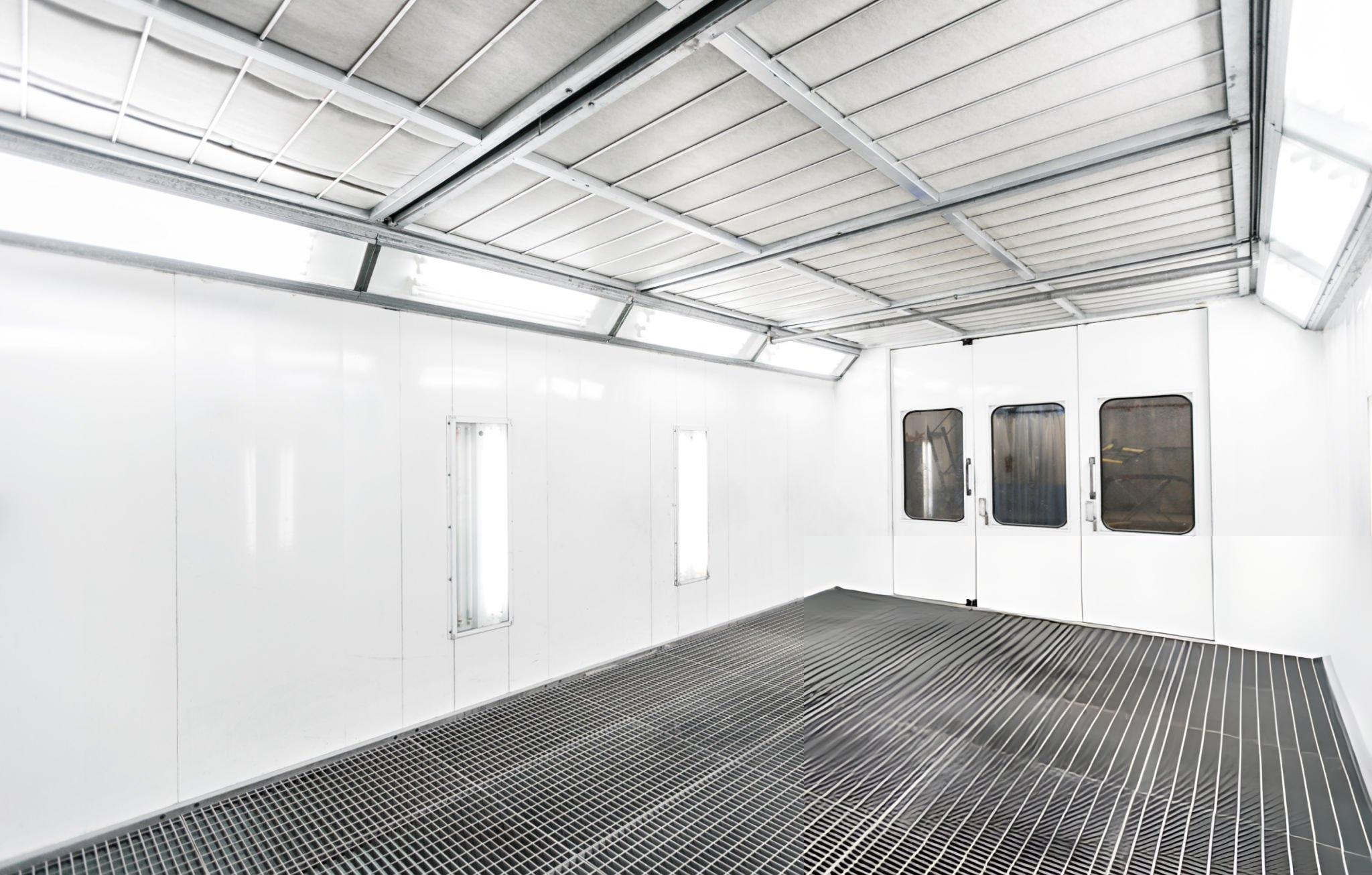
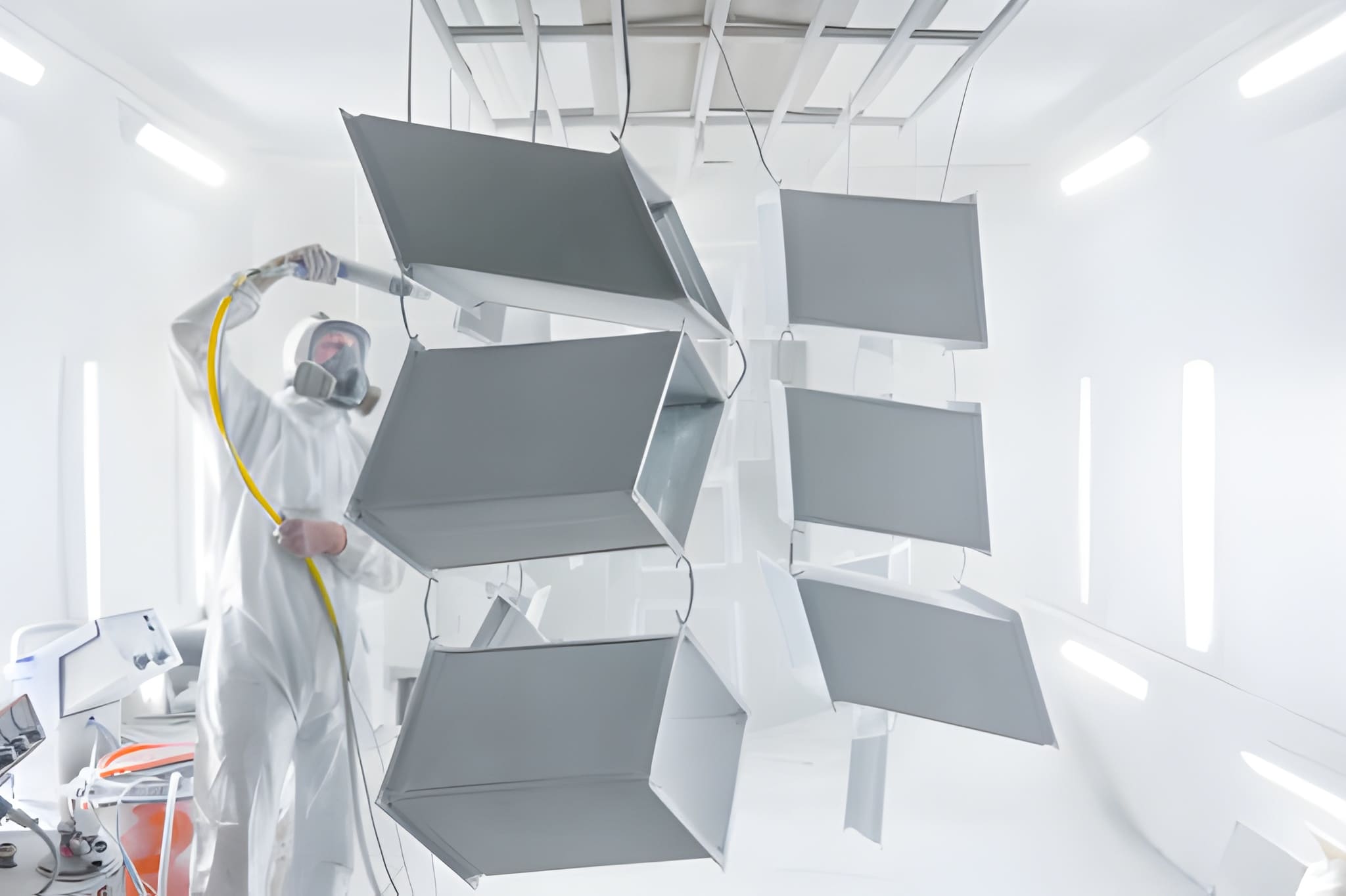
Every industry has distinct requirements when it comes to coating applications. A generic spray booth may not deliver the performance or compliance needed for specialized operations. Custom spray booth design ensures that factors such as booth size, airflow direction, filtration efficiency, and lighting are aligned with the user’s exact needs.
This approach minimizes overspray, reduces material waste, and improves finish quality. Tailored solutions also help businesses comply with local regulations and environmental standards. As a result, companies can maintain consistent output while avoiding costly penalties or rework.
Airflow is the backbone of any spray booth. A custom design ensures that air moves consistently across the workspace, removing overspray and maintaining a clean environment. Engineers calculate airflow patterns based on booth size, type of coatings used, and production needs.
Proper ventilation protects workers from harmful fumes while ensuring compliance with environmental regulations. Balanced airflow also improves drying times and ensures an even finish on all surfaces.
Filtration is critical for maintaining air quality and preventing contamination. A custom spray booth includes multi-stage filtration systems designed to capture overspray particles and harmful emissions. These systems are tailored to the type of coatings used, whether water-based or solvent-based.
Efficient filtration reduces maintenance costs and ensures consistent product quality. It also supports environmental compliance by minimizing the release of pollutants into the atmosphere.
Lighting plays a major role in achieving a flawless finish. Custom spray booth design incorporates high-quality, strategically placed lighting to eliminate shadows and highlight surface imperfections. This allows operators to detect issues early and correct them before the coating process is complete.
Bright, evenly distributed lighting improves accuracy and reduces the risk of defects. It also enhances worker comfort and productivity during long operational hours.
The structure of the spray booth must be durable, easy to maintain, and suited to the working environment. Custom designs consider factors such as available space, workflow layout, and equipment integration. Materials used in construction are selected for their resistance to chemicals, heat, and wear.
A well-planned structure ensures smooth movement of products and equipment within the booth. This reduces handling time and improves overall efficiency.
Crossdraft booths are designed with airflow moving horizontally across the workspace. They are cost-effective and suitable for many general applications. Customization allows these booths to be adapted for different sizes and production requirements.
These booths are ideal for operations that need flexibility and moderate production output. They provide reliable performance while maintaining a simple design.
Downdraft booths offer superior airflow control by directing air from the ceiling to the floor. This design minimizes contamination and ensures a cleaner finish. Custom downdraft booths are often used in industries where high-quality finishes are critical.
They provide better visibility and reduced overspray accumulation. This makes them a preferred choice for automotive and high-end manufacturing applications.
Side draft booths combine elements of crossdraft and downdraft designs. Air enters from one side and exits through the opposite side or floor level. Customization allows these booths to fit specific space constraints while delivering efficient airflow.
They are a practical solution for facilities that need improved airflow without the full cost of a downdraft system.
The design process begins with a detailed assessment of the site and operational requirements. Engineers evaluate available space, production volume, and workflow patterns. This ensures the final design integrates seamlessly into the existing facility.
Understanding the client’s goals is essential for creating a solution that meets both current and future needs. This step lays the foundation for a successful project.
Once requirements are defined, the engineering phase begins. Designers create detailed layouts that include airflow systems, filtration units, lighting, and structural components. Advanced modeling tools are often used to simulate airflow and optimize performance.
This phase ensures that every aspect of the booth is carefully planned before construction begins. It reduces the risk of errors and ensures efficient installation.
After design approval, the installation process begins. Skilled technicians assemble the booth, install systems, and ensure all components function correctly. Testing is conducted to verify airflow, lighting, and filtration performance.
Proper testing ensures the booth meets safety standards and delivers the expected performance. It also provides confidence that the system will operate efficiently from day one.
A custom-designed spray booth provides consistent airflow and optimal lighting. This results in smoother, more uniform coatings with fewer defects. Improved finish quality reduces the need for rework and enhances customer satisfaction.
Safety is a top priority in any finishing operation. Custom spray booths are designed to control hazardous fumes and maintain clean air conditions. This protects workers and ensures compliance with safety regulations.
Tailored designs optimize workflow and reduce downtime. Efficient layouts allow for faster processing and better use of resources. This leads to higher productivity and lower operational costs.
Custom spray booths are designed to meet environmental standards. Advanced filtration systems reduce emissions and ensure responsible operation. This helps businesses avoid penalties and maintain a positive reputation.
Regular maintenance is essential for keeping a spray booth in optimal condition. This includes replacing filters, cleaning components, and inspecting airflow systems. A well-maintained booth delivers consistent performance and extends its lifespan.
As production needs change, a custom spray booth can be upgraded or modified. This flexibility allows businesses to adapt without replacing the entire system. Upgrades may include improved filtration, enhanced lighting, or automation features.
While custom spray booths may require a higher initial investment, they offer significant long-term savings. Improved efficiency, reduced waste, and lower maintenance costs contribute to a strong return on investment.
Selecting the right design starts with understanding the specific needs of the operation. Factors such as production volume, types of coatings, and available space must be considered. A well-defined requirement leads to a more effective solution.
Experienced designers bring valuable expertise to the project. They understand industry standards, safety requirements, and best practices. Their knowledge ensures the final design meets all expectations.
A custom spray booth should balance cost with performance. Investing in the right features ensures long-term benefits without unnecessary expenses. Careful planning helps achieve this balance.








We design and manufacture high-performance custom spray booths built to meet your exact production needs. Our solutions combine advanced airflow engineering, durable construction, and industry-compliant safety standards to deliver consistent, high-quality finishes.